

heat treated wood pallets

Heat Treated Wood Pallets for Sale: The Global Standard for Safe Shipping

Heat Treated Wood Pallets for Sale: The Global Standard for Safe Shipping

In today’s interconnected world, your products don’t just travel across town—they cross oceans and international borders. To prevent the global spread of pests and diseases, customs agencies worldwide now enforce a critical requirement: wood packaging materials must undergo proper sanitization. This is why heat treated wood pallets are not just an option; for international shipping, they are the law. Let’s explore what this treatment means, why it’s essential, and how to source them correctly.

First, What Are Heat Treated (HT) Pallets?

Simply put, heat treatment is a phytosanitary process. Pallets enter a specialized kiln where operators heat the core of the wood to a minimum of 56°C (133°F) for at least 30 minutes. This precise thermal cycle eliminates any insects, larvae, or fungi that could threaten ecosystems in other countries. After treatment, licensed facilities stamp each pallet with the official IPPC (International Plant Protection Convention) mark, which includes the “HT” code, a country code, and a unique producer number. This stamp is your pallet’s passport for international trade.

Why Must You Use HT Pallets for International Shipments?

Using non-compliant pallets risks severe consequences. Customs authorities in over 180 countries that follow ISPM 15 (the International Standard for Phytosanitary Measures) will reject entire shipments if they find non-marked or improperly treated wood. This can lead to massive delays, costly demurrage fees, the expense of re-pallettizing goods, or even the destruction of the shipment. Purchasing certified HT pallets is a non-negotiable investment in supply chain reliability and compliance.

What to Look for When HT Pallets Are for Sale

Not all “heat treated” claims are equal. When evaluating pallets for sale, you must verify their compliance.

  • The IPPC Stamp is Mandatory: Always look for the clear, legible stamp on the pallet. It is your only proof of treatment. A supplier’s invoice or verbal assurance is not sufficient for customs.

  • New vs. Recycled HT Pallets: You can find both newly manufactured HT pallets and recycled ones that have been retreated. Ensure recycled pallets display a valid, unobscured stamp; an “R” in the stamp indicates re-treatment.

  • Quality Beyond the Stamp: The HT mark guarantees phytosanitary safety, not structural integrity. Still inspect the pallet’s construction, nail patterns, and overall condition to ensure it can safely bear your load.

Beyond Compliance: The Added Benefits of Heat Treatment

While compliance drives the requirement, the HT process offers valuable secondary benefits.

  • Reduced Moisture Content: The kiln-drying process lowers the wood’s moisture, which minimizes warping and increases consistency.

  • Enhanced Cleanliness: The high heat sanitizes the wood, making these pallets an excellent choice for industries with strict hygiene standards, like food, pharmaceuticals, and electronics.

  • Environmental Acceptability: HT is a chemical-free process using heat and steam, making it an environmentally preferable choice to methyl bromide fumigation (MB), which is now heavily restricted.

A Deep Insight: The Pallet as a Compliance Document

In the context of global trade, a heat treated pallet transcends its physical function. It becomes a vital piece of compliance documentation embedded in your shipment. The tiny HT stamp carries the legal weight to clear customs; without it, your goods are trapped. This transforms your pallet procurement from a simple logistics task into a critical risk management activity. Sourcing from a reputable, knowledgeable supplier is therefore not about finding the cheapest wood—it’s about ensuring your entire supply chain investment is protected from catastrophic, preventable failure at the border.

How to Source Reliable HT Pallets

  1. Buy from Reputable Suppliers: Choose established pallet companies or lumber yards that specialize in ISPM 15-compliant products. They understand the regulations deeply.

  2. Ask for Documentation: A trustworthy supplier can provide details about their treatment facility’s accreditation and their process.

  3. Specify Your Need Clearly: When ordering, explicitly state you require ISPM 15-compliant, HT-stamped pallets for export.

  4. Perform Receiving Inspections: Check for the stamp on a sample of pallets from each delivered batch to confirm compliance before use.

Conclusion: The Smart Foundation for Global Reach

In summary, purchasing certified heat treated wood pallets is a fundamental step for any business engaging in international trade. It ensures compliance, prevents costly delays, and protects global agriculture. View the HT stamp not as an added cost, but as essential insurance for your shipment’s smooth passage. So, before your next international order, verify your pallet source. Invest in the certified foundation that allows your products to travel the world safely and seamlessly.
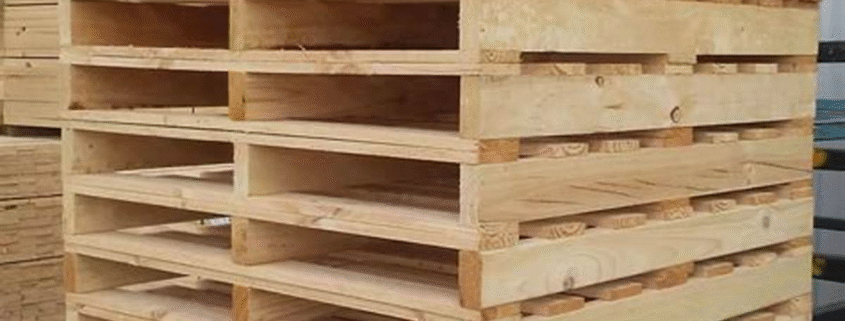
wholesale Euro pallets

Wholesale Euro Pallets

Wholesale Euro Pallets: The Strategic Backbone of Your Supply Chain

In the intricate dance of global logistics, efficiency is everything. Goods must flow seamlessly from factory floors to retail shelves, and one unassuming item makes it all possible: the Wholesale euro pallet. Specifically, the standardized 1200mm x 800mm wooden pallet is the unsung hero of European and international trade. But for businesses that move serious volume, buying single pallets simply doesn’t make sense. This is where wholesale Euro pallet purchasing becomes a critical, strategic decision for controlling costs and ensuring operational fluidity.

First, Why Buy Euro Pallets Wholesale?

Purchasing pallets in bulk directly tackles the core inefficiencies of small-scale buying. You immediately secure a significantly lower price per unit, which dramatically reduces your overall logistics overhead. Furthermore, a wholesale order guarantees consistency; you receive a uniform batch of pallets that all meet the same quality standard, ensuring compatibility with automated systems and racking. Most importantly, wholesale buying provides predictability. You eliminate the risk of sudden shortages that can halt your shipping line, creating a reliable foundation for your entire operation.

Understanding Your Wholesale Options: New, Recycled, and Pooled

Not all wholesale pallets are equal. You must choose the type that aligns with your budget, sustainability goals, and logistics model.

  • New EPAL-Certified Euro Pallets: Purchasing these wholesale means investing in maximum strength, longevity, and universal acceptance. They are ideal for long-term use in closed-loop systems or for exporting goods where pristine, certified packaging is mandatory.

  • Qualified Recycled/Repaired Euro Pallets: This is often the most popular wholesale category. Licensed repair companies refurbish used EPAL pallets to meet original specifications. Buying these wholesale offers outstanding value—you save 30-50% over new pallets while still receiving a fully functional, standardized product. Always verify that your supplier is EPAL-licensed for repairs.

  • Pallet Pooling Services (e.g., CHEP, LPR): While not a traditional “wholesale buy,” pooling is a bulk logistical solution. You essentially rent pallets from a network, paying a per-trip fee. This model eliminates the hassles of pallet management, repair, and reverse logistics, converting a capital expense into a predictable operating cost.

Navigating the Wholesale Purchase: Key Considerations

To execute a smart wholesale purchase, focus on these critical steps:

  1. Define Your Volume and Usage: Accurately forecast your monthly or quarterly pallet consumption. This volume will be your primary lever for negotiating price with suppliers.

  2. Inspect Quality and Certification: Never compromise on the standard. For EPAL pallets, insist on seeing the “EUR” stamp and repair marks. For non-certified but size-compliant pallets, clarify the grade, nail pattern, and load capacity.

  3. Audit Total Cost of Ownership (TCO): The cheapest pallet upfront may cost more later. Factor in durability, repair rates, and the potential cost of load failures or rejected shipments. A slightly more expensive, high-quality wholesale pallet often has a lower TCO.

  4. Secure Reliable Logistics: Wholesale means bulk delivery. Coordinate with your supplier for cost-effective freight options and ensure you have adequate storage space for your pallet inventory.

A Deep Insight: The Pallet as a Strategic Asset

Viewing wholesale Euro pallets as a mere commodity is a costly mistake. In reality, they are a strategic, circulating asset that directly impacts your bottom line. A reliable, standardized pallet streamlines every touchpoint: it speeds up loading, maximizes trailer space, integrates with warehouse robotics, and ensures safe stacking. By investing intelligently at the wholesale level, you don’t just buy wood; you purchase supply chain velocity, reduced product damage, and operational certainty. The right wholesale decision strengthens the entire backbone of your distribution network.

Questions for Your Wholesale Supplier

Before signing a contract, ask directly:

  • “What is your source, and can you provide proof of EPAL licensing?”

  • “What is your quality inspection process for recycled pallets?”

  • “Do you offer volume-based tiered pricing or standing order discounts?”

  • “What are your delivery terms and lead times for bulk orders?”

Conclusion: Building a Foundation for Efficient Growth

In summary, sourcing wholesale Euro pallets is a fundamental logistics strategy for any growing business. It moves you from reactive purchasing to proactive cost control and capacity planning. By choosing the right type—whether new, certified recycled, or through a pool—and partnering with a reputable supplier, you build a resilient, efficient foundation for your goods to move. Make the strategic wholesale investment today, and watch your supply chain operate with smoother, more predictable, and more profitable rhythm.