
epal euro pallet suppliers

Finding the Right EPAL Euro Pallet Suppliers: A Strategic Guide for Buyers

In the complex world of global logistics, few decisions carry as much operational weight as choosing the right supplier for your pallets. For businesses that rely on the EPAL Euro pallet system, this choice becomes even more critical. After all, these standardised wooden platforms form the backbone of countless supply chains across Europe and beyond.

This comprehensive guide helps you navigate the landscape of EPAL euro pallet suppliers. We will explore what makes a supplier trustworthy, examine the different types of providers available, and outline a practical framework for making an informed selection. Throughout, we focus on actionable insights without naming specific companies, empowering you to find the ideal partner for your unique needs.


What Makes an EPAL Euro Pallet Supplier Different?

Before diving into the selection process, it helps to understand what sets EPAL euro pallet suppliers apart from ordinary pallet manufacturers. The European Pallet Association (EPAL) operates the world’s largest open pallet exchange pool, with more than 675 million EPAL Euro pallets currently in circulation. This system relies on strict quality standards to ensure that pallets remain interchangeable across borders and industries.

Consequently, not every pallet producer can call themselves an EPAL Euro Pallet supplier. Only licensed manufacturers and repairers—currently over 1,700 operations in more than 40 countries—have the right to produce or repair EPAL-certified pallets. These licensees undergo regular, unannounced inspections by independent bodies such as Bureau Veritas and the China Certification & Inspection Group (CCIC) to guarantee consistent quality.

Furthermore, EPAL actively protects its brand. The association has warned against so-called “Class 2” EPAL pallets appearing on the market at unusually low prices, clarifying that any new EPAL pallet labelled as “second class” is counterfeit. This vigilance underscores why sourcing from legitimate licensees matters so much.


Why Your Choice of Supplier Matters

Selecting the right EPAL euro pallet supplier affects your operations in several significant ways:

Supply Chain Reliability – A dependable supplier ensures you have pallets when you need them, preventing costly delays. Some manufacturers can deliver regular truckloads of 756–812 pallets per truck, making volume consistency a key consideration.

Quality and Safety – Substandard pallets can collapse under load, damage goods, or injure workers. Licensed EPAL producers follow strict technical regulations covering everything from nail placement to wood quality.

Legal Compliance – For international shipments, pallets must carry the ISPM 15 heat treatment mark. Licensed EPAL suppliers automatically meet this requirement.

Cost Efficiency – While counterfeit pallets may seem cheaper upfront, they lack the durability and interchangeability of genuine EPAL products. A genuine EPAL pallet offers a service life of 8–10 years, whereas a counterfeit may fail much sooner.

Reputation – Using counterfeit or substandard pallets can damage your relationships with logistics partners and customers who expect EPAL-standard quality.


Types of EPAL Euro Pallet Suppliers

When searching for suppliers, you will encounter several distinct categories. Each serves different business needs:

Licensed Manufacturers

These companies hold a direct licence from EPAL to produce new Euro pallets. They follow the association’s technical regulations to the letter and undergo regular quality inspections. Licensed manufacturers are your safest bet for new pallets, particularly for international transport and industries with strict hygiene standards like food and pharmaceuticals.

Licensed Repairers

EPAL also licenses operations to repair damaged pallets. Professional repair restores pallets to 90–100% of their original strength while costing significantly less than new ones. Licensed repairers use approved materials and follow specific repair protocols, ensuring the pallet remains eligible for exchange within the EPAL pool.

Reconditioned Pallet Suppliers

Some suppliers specialise in sourcing used or repaired EPAL pallets and reselling them. These providers offer cost-effective alternatives for internal storage and national logistics where the strictest standards may not apply. However, buyers must verify that the reconditioning work meets EPAL standards.

Full-Cycle Producers

The most comprehensive suppliers manage the entire process—from raw material sourcing through heat treatment, production, quality control, and logistics. Full-cycle producers often offer greater traceability and consistency, making them ideal partners for large-volume buyers.

Traders and Distributors

These companies do not manufacture pallets themselves but buy from multiple producers and resell to end-users. They can offer flexibility and access to various sources, though buyers should verify the origin and certification of every pallet they supply.


Key Criteria for Evaluating EPAL Euro Pallet Suppliers

When assessing potential partners, consider these essential factors:

1. EPAL Licence Verification

This is non-negotiable. Always confirm that a supplier holds a current EPAL production or repair licence. The EPAL website maintains a list of licensees, and the association strongly recommends buying EPAL Euro pallets exclusively from licensed vendors. A licence proves the supplier follows the EPAL Technical Regulations and submits to regular inspections.

2. Additional Certifications

Beyond the EPAL licence, look for supplementary quality marks:

  • ISPM 15 – mandatory for international shipping, confirming heat treatment

  • ISO 9001 – demonstrates commitment to quality management systems

  • IPPC – further verification of phytosanitary compliance

3. Experience and Track Record

Prioritise suppliers with several years of operation and proven experience. Companies that have been running for years typically have established quality control processes and reliable delivery systems. Ask for references from other businesses in your industry to gain insight into their reliability and professionalism.

4. Production Capacity

Ensure the supplier can meet your volume requirements consistently. Ask about their production capacity, lead times, and whether they can handle regular truckload deliveries. If you need 1–4 trucks per week, verify that the supplier can maintain that pace.

5. Quality Control Processes

A reputable supplier maintains rigorous quality checks, including visual inspection, weight testing, and dimensional verification. This reduces the risk of pallet rejection at your facility or in the destination country.

6. Logistics and Delivery Options

Consider the supplier’s delivery capabilities. Can they deliver under your preferred Incoterms—such as DAP, DDP, FCA, or EXW? Do they have established logistics routes to your region? Reliable delivery is as important as product quality.

7. Flexibility and Customisation

Some suppliers offer custom-sized pallets or specialised designs for specific industries. If your operation requires non-standard solutions, look for a supplier with custom manufacturing capabilities.


The Danger of Counterfeit and “Second Class” Pallets

One of the most critical aspects of sourcing EPAL euro pallets is avoiding counterfeit products. EPAL has recently raised alarms about so-called “Class 2” EPAL pallets appearing on the market. These pallets exhibit significant quality faults such as incorrect nail placements and defective wood, directly violating EPAL production standards.

Moreover, the unusually low prices of these pallets raise suspicions about the use of illegally sourced timber. EPAL has alerted customs offices and licensees about these counterfeit pallets, advising that such pallets must be destroyed.

For buyers, the message is clear: if a new EPAL pallet is labelled as “second class” or “Class 2”, it is counterfeit. Only pallets in full compliance with EPAL Technical Regulations can bear the “EPAL in oval” brand mark. When in doubt, EPAL’s inspection company, Bureau Veritas, can conduct an assessment.


Market Trends Affecting EPAL Pallet Supply

Understanding current market dynamics helps buyers time their purchases and negotiate effectively:

Growing Demand and Production

Consumption volumes grew by +6.20% in 2025 compared to 2024, while EPAL pallet production increased by +3.5%. This upward trend reflects the resilience of the logistics sector and the continued dominance of the EPAL system.

Digitalisation with QR Codes

Since January 2024, EPAL has introduced Euro pallets with individual QR codes and serial numbers. By late 2025, 4 million QR-coded pallets had entered circulation. These digital pallets allow users to access information on location, utilisation, and life cycle simply by scanning the code. This innovation is set to become an integral part of modern, digitally networked supply chains.

Focus on Sustainability

The EPAL system, with its principles of reuse, exchange, repair, and recycling, has been an exemplar of sustainable circular economy for over three decades. Wooden EPAL pallets store CO₂, prevent waste, and improve the carbon footprint of users across industry and retail. As regulatory pressure on packaging increases, EPAL’s sustainability credentials become even more valuable.

Price Volatility

Pallet prices remain subject to fluctuations driven by raw material costs, energy prices, and demand cycles. Buyers should monitor market conditions and consider long-term agreements with suppliers to secure stable pricing.


A Step-by-Step Guide to Sourcing EPAL Euro Pallet Suppliers

Step 1: Define Your Requirements

Start by specifying your needs clearly:

  • Pallet type – EPAL 1 (800×1200mm), EPAL 2 (1200×1000mm), EPAL 3 (1000×1200mm), or EPAL 6 (800×600mm)

  • Condition – new, reconditioned, or used

  • Volume – quantity per order and frequency

  • Delivery terms – preferred Incoterms and delivery schedule

  • Certifications – any additional requirements beyond EPAL and ISPM 15

Step 2: Identify Potential Suppliers

Use industry directories, B2B platforms, and trade associations to compile a list of candidates. Focus on licensed EPAL producers and repairers. The EPAL website provides information on licensees worldwide.

Step 3: Verify Licences and Certifications

For each candidate, confirm their EPAL licence status. Request copies of relevant certificates, including ISPM 15, ISO 9001, and any others that matter to your operation.

Step 4: Request Quotations

Send a detailed request for quotation to multiple suppliers. Include all specifications to ensure comparable responses. Ask about minimum order quantities, lead times, and payment terms.

Step 5: Request Samples

Always request a sample pallet before committing to a bulk order. Inspect it for proper markings, dimensions, and build quality. For large purchases, consider having samples independently tested.

Step 6: Assess Production Capacity and Logistics

Discuss the supplier’s production capacity and delivery capabilities. Can they meet your volume requirements consistently? Do they have experience shipping to your location?

Step 7: Check References

Ask for contact details of current clients and speak to them about their experience. Inquire about quality consistency, delivery reliability, and responsiveness to issues.

Step 8: Negotiate Terms

Once you have identified a preferred supplier, negotiate commercial terms including pricing, payment schedules, delivery timelines, and quality guarantees. Consider agreeing on pricing mechanisms that reference reliable indices to create fair and transparent contracts.

Step 9: Start with a Trial Order

Begin with a smaller order to verify quality and service before committing to a long-term agreement. This approach minimises risk and allows you to assess the partnership in practice.


Common Mistakes to Avoid

Assuming All EPAL-Looking Pallets Are Genuine – Counterfeit pallets often mimic the appearance of genuine ones but lack proper markings and quality. Always verify the EPAL logo, manufacturer code, and other official stamps.

Prioritising Price Over Quality – While cost matters, the cheapest option often proves more expensive in the long run through pallet failures, goods damage, and exchange rejections.

Neglecting Delivery Logistics – A great product is useless if it cannot reach you on time. Evaluate the supplier’s logistics capabilities as carefully as their manufacturing quality.

Overlooking the Importance of Licensing – Buying from unlicensed suppliers exposes you to legal and operational risks. EPAL strongly urges purchasing exclusively from licensees.

Failing to Inspect Incoming Shipments – Always inspect pallets upon receipt. Reject any that show quality faults, missing markings, or signs of damage.


Conclusion

Finding the right EPAL euro pallet supplier is a strategic decision that affects your supply chain’s efficiency, safety, and cost structure. By prioritising licensed manufacturers and repairers, verifying certifications, and following a structured evaluation process, you can build a partnership that delivers reliable, high-quality pallets for years to come.

Remember that the EPAL system exists to guarantee interchangeability and quality across borders. When you source from licensed suppliers, you are not just buying pallets—you are investing in the integrity of your entire logistics operation. Take the time to choose wisely, and your supply chain will reap the rewards.
epal pallets wholesale

The Complete Guide to Buying EPAL Pallets Wholesale: Standards, Market Insights, and Sourcing Strategies

Few tools are as fundamental to logistics and supply chain management as the humble pallet. Among the myriad options available, one name stands out as the undisputed global standard: the EPAL pallet . For businesses involved in manufacturing, distribution, or international trade, sourcing these pallets at wholesale level represents a strategic decision that extends far beyond simply purchasing wooden platforms.

This comprehensive guide covers everything you need to know about buying EPAL pallets wholesale. We will examine their stringent quality standards and technical specifications. We will also navigate current market trends and help you avoid common pitfalls. Throughout, we focus on practical insights without naming specific suppliers, empowering you to make the best decision for your business.


What Is an EPAL Pallet?

An EPAL pallet—often called a “Euro pallet” or “EUR pallet”—is a standardised wooden platform certified by the European Pallet Association (EPAL). This organisation was founded to guarantee the quality and interchangeability of pallets across international borders. To achieve this, EPAL has established rigorous technical regulations governing every aspect of production, repair, and inspection.

Currently, more than 650 million EPAL pallets circulate worldwide, making them the most widely used exchange pallet globally. The system operates as an “open pool,” allowing participants from all industry sectors to exchange pallets based on a guarantee of standardised, uniform quality. This interchangeability delivers a massive benefit for international trade, ensuring that a pallet loaded in one country can be seamlessly used and exchanged in another.


Why Choose EPAL? The Hallmarks of Quality

Investing in EPAL-certified pallets means investing in reliability, safety, and efficiency. The association’s strict quality controls offer numerous tangible advantages:

  • Standardised Quality: Every EPAL pallet is produced and repaired according to identical technical specifications, guaranteeing consistent size, strength, and performance.

  • Rigorous Inspections: An independent organisation, such as Bureau Veritas in France, conducts unannounced quality checks on licensed manufacturers to ensure ongoing compliance.

  • Safety and Durability: EPAL pallets are designed for a long service life of 8 to 10 years. They guarantee maximum occupational safety and stable storage of goods.

  • Legal Protection: The EPAL mark is an internationally registered trademark. The association actively pursues legal action against counterfeiters, protecting both the integrity of the pool and your investment.

  • Environmental Responsibility: EPAL pallets are made from wood, a renewable resource, and are fully repairable and recyclable.

  • Interchangeability: EPAL pallets are exchangeable on a one-for-one basis, provided they meet the required quality standards.


EPAL Pallet Types and Technical Specifications

While the most common EPAL pallet is the standard EPAL 1 (EUR 1), the association has defined several formats to accommodate different logistical needs.

EPAL 1 (EUR 1) – The Euro Pallet

This is the most widely used exchange pallet in the world.

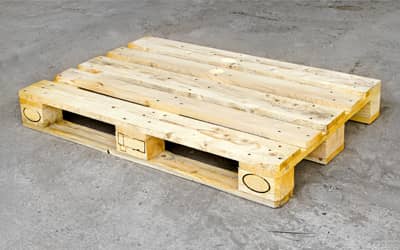
  • Dimensions: 800 mm (W) x 1,200 mm (L) x 144 mm (H)

  • Weight: Approx. 25 kg

  • Safe Working Load (Dynamic): 1,500 kg

  • Maximum Load When Stacked (Static): Up to 5,500 kg for the bottom pallet

  • Construction: 11 boards, 9 blocks, and 78 nails

EPAL 2 (EUR 2)

  • Dimensions: 1,200 mm (W) x 1,000 mm (L) x 144 mm (H)

  • Application: Commonly used in retail and for transporting beverages

EPAL 3 (EUR 3)

  • Dimensions: 1,000 mm (W) x 1,200 mm (L) x 144 mm (H)

  • Weight: Approx. 30 kg

  • Application: Increasingly becoming the new standard for the chemical industry

  • Construction: 13 boards, 9 blocks, and 84 nails

EPAL 6 (EUR 6) – The Half-Pallet

  • Dimensions: 800 mm (W) x 600 mm (L) x 144 mm (H)

  • Application: A perfect half of a standard pallet, ideal for retail displays and point-of-sale (POS) materials


Understanding EPAL Certification and Markings

Authenticity is crucial within the EPAL system. Counterfeit pallets represent a significant problem because they lack the strength and quality of certified ones, posing risks to both goods and workers. To identify a genuine EPAL pallet, look for the following markings:

  • EPAL Logo: Stamped in an oval on the central blocks

  • Manufacturer Code: The licence number of the producer

  • Country Code: e.g., FR for France, DE for Germany

  • Production Date: Month and year of manufacture

  • IPPC Mark: A mandatory stamp indicating the pallet has been heat-treated (HT) in compliance with ISPM 15 for international shipping

  • EPAL Control Staple: A branded staple (mandatory)

  • Repair Nail: A specific nail used only if the pallet has been professionally repaired

For quick verification, many professionals now use a UV lamp to detect invisible security markings added to official pallets since 2018. The financial difference is stark: a genuine EPAL pallet can resell for €8–12, whereas a counterfeit is only worth €3–5.


New vs. Reconditioned vs. Used EPAL Pallets

When buying wholesale, you have several options. Each carries its own cost-benefit profile, and understanding these differences will help you make the right choice for your operation.

New EPAL Pallets

These are brand new and carry full EPAL certification. They are mandatory for international transport and for sectors with strict hygiene standards, such as the food and pharmaceutical industries. Their lifespan typically reaches 8–10 years.

Reconditioned EPAL Pallets

These are damaged pallets that have been professionally repaired by an EPAL-licensed operation. They retain 90–100% of the strength of a new pallet while costing 40–50% less. They are identifiable by a specific repair nail.

Used EPAL Pallets

These pallets show signs of wear but remain structurally sound. They offer a cost-effective option for internal storage and national logistics where the strictest standards may not be required.


The Wholesale EPAL Pallet Market: Trends and Pricing

The pallet market is dynamic and closely tied to the broader economy and raw material costs. Understanding these trends will help you time your purchases and negotiate effectively.

Market Size and Growth

The European pallet wholesale  market alone was valued at $2 billion in 2025**. Globally, the market size is estimated at **$88.3 billion in 2025 and is projected to grow to $92.7 billion in 2026, with a forecast CAGR of 5.8% from 2026 to 2035. In 2025, consumption volumes grew by +6.20%, and EPAL pallet production increased by +3.5% compared to 2024.

Price Drivers

Current market dynamics are pushing prices upward due to several interrelated factors:

  • Raw Material Scarcity: A structural shortage of raw wood, particularly logs from Austria and Germany, is a primary driver. Consequently, sawmills have passed on significant price increases to downstream industries like pallet manufacturing.

  • Logistics Bottlenecks: There is a real risk of a logistical bottleneck if industrial demand suddenly rebounds. This could create a supply shortage similar to that seen in 2022.

  • Geopolitical Factors: Strong demand for wood and increasing freight costs continue to exert upward pressure on prices.

Price Ranges (Indicative)

Prices are highly variable based on volume, condition, and location.

  • New EPAL Pallet: Generally ranges from €15 to €25 depending on quantity. In the DACH region (Germany, Austria, Switzerland), the price for a new EUR-1 pallet was around €12.21 in mid-2026.

  • Used EPAL Pallet: Typically sells for between €5 and €10, though a broad range of €7.50 to €19.50 is also reported depending on quality and quantity.


How to Buy EPAL Pallets Wholesale: A Step-by-Step Guide

1. Define Your Requirements

Be specific about your needs from the outset. Determine the type (EPAL 1, 2, 3, or 6), condition (new, reconditioned, or used), and the quantity you require. This clarity will help you get accurate quotes and avoid overpaying.

2. Verify Supplier Authenticity

Only purchase from an EPAL-licensed manufacturer or repairer. These companies hold a licence proving they strictly adhere to the EPAL Technical Regulations. Counterfeiters pose a real risk, and buying from unlicensed sources exposes you to legal and logistical problems.

3. Inspect for Proper Markings

When you receive a shipment, always inspect a sample of the pallets. Check for the required EPAL markings and the IPPC stamp. Use the checklist in the “Understanding EPAL Certification” section above. This simple step can save you thousands in lost value and potential customs delays.

4. Check for Quality and Damage

Learn what makes an EPAL pallet “non-exchangeable” and reject pallets with:

  • Missing boards or blocks

  • Cracked or split blocks where more than one nail shank is visible

  • Boards broken transversally or diagonally

  • Rotten or decayed wood

  • Contamination (e.g., chemical spills)

  • Heavy splintering on multiple blocks

5. Negotiate Commercial Terms

In a volatile market, consider agreeing on pricing mechanisms that reference reliable indices, such as the Cril index for semi-finished products, to create fair and transparent contracts. Additionally, discuss minimum order quantities (MOQ), delivery schedules, and payment terms before signing.

6. Plan Your Logistics

Consider the logistics of delivery carefully. Working with a supplier who can deliver efficiently will help you limit transport costs and stock shortages. Be aware of seasonality, as wood market prices and availability can fluctuate. For international shipping, ensure the pallets carry the correct ISPM 15 (NIMP 15) heat treatment markings.


Future Trends in the EPAL Pallet Wholesale Market

Digitalisation with QR Codes

The EPAL system is embracing digitalisation. By the beginning of December 2025, more than 5 million EPAL Euro pallets with QR codes had been produced, paving the way for enhanced traceability.

Expansion of the EPAL 3 Standard

The EPAL CP pallet (EPAL 3) is undergoing further development and is becoming the new pallet standard in the chemical industry.

Focus on Circular Economy

Strong regulatory pressure in the EU is accelerating the shift toward reusable and recyclable packaging solutions. This regulatory environment plays directly into the strengths of the EPAL system.

Asia-Pacific Growth

The Asia-Pacific region is expected to show the highest growth, driven by expanding logistics infrastructure and export-oriented manufacturing. Notably, the EPAL 3 is being positioned as the new Asian standard.


Conclusion

EPAL pallets are far more than simple wooden platforms; they form the backbone of a standardised, efficient, and truly global logistics system. Buying them wholesale is a strategic decision that demands careful attention to quality, authenticity, and market conditions. By understanding the technical specifications, recognising genuine certification, and staying informed about market trends, you can secure a reliable supply of these essential tools for your supply chain. Consequently, your goods will move safely and efficiently for years to come.

heat treated wood pallets

Heat Treated Wood Pallets for Sale: The Global Standard for Safe Shipping

Heat Treated Wood Pallets for Sale: The Global Standard for Safe Shipping

In today’s interconnected world, your products don’t just travel across town—they cross oceans and international borders. To prevent the global spread of pests and diseases, customs agencies worldwide now enforce a critical requirement: wood packaging materials must undergo proper sanitization. This is why heat treated wood pallets are not just an option; for international shipping, they are the law. Let’s explore what this treatment means, why it’s essential, and how to source them correctly.

First, What Are Heat Treated (HT) Pallets?

Simply put, heat treatment is a phytosanitary process. Pallets enter a specialized kiln where operators heat the core of the wood to a minimum of 56°C (133°F) for at least 30 minutes. This precise thermal cycle eliminates any insects, larvae, or fungi that could threaten ecosystems in other countries. After treatment, licensed facilities stamp each pallet with the official IPPC (International Plant Protection Convention) mark, which includes the “HT” code, a country code, and a unique producer number. This stamp is your pallet’s passport for international trade.

Why Must You Use HT Pallets for International Shipments?

Using non-compliant pallets risks severe consequences. Customs authorities in over 180 countries that follow ISPM 15 (the International Standard for Phytosanitary Measures) will reject entire shipments if they find non-marked or improperly treated wood. This can lead to massive delays, costly demurrage fees, the expense of re-pallettizing goods, or even the destruction of the shipment. Purchasing certified HT pallets is a non-negotiable investment in supply chain reliability and compliance.

What to Look for When HT Pallets Are for Sale

Not all “heat treated” claims are equal. When evaluating pallets for sale, you must verify their compliance.

  • The IPPC Stamp is Mandatory: Always look for the clear, legible stamp on the pallet. It is your only proof of treatment. A supplier’s invoice or verbal assurance is not sufficient for customs.

  • New vs. Recycled HT Pallets: You can find both newly manufactured HT pallets and recycled ones that have been retreated. Ensure recycled pallets display a valid, unobscured stamp; an “R” in the stamp indicates re-treatment.

  • Quality Beyond the Stamp: The HT mark guarantees phytosanitary safety, not structural integrity. Still inspect the pallet’s construction, nail patterns, and overall condition to ensure it can safely bear your load.

Beyond Compliance: The Added Benefits of Heat Treatment

While compliance drives the requirement, the HT process offers valuable secondary benefits.

  • Reduced Moisture Content: The kiln-drying process lowers the wood’s moisture, which minimizes warping and increases consistency.

  • Enhanced Cleanliness: The high heat sanitizes the wood, making these pallets an excellent choice for industries with strict hygiene standards, like food, pharmaceuticals, and electronics.

  • Environmental Acceptability: HT is a chemical-free process using heat and steam, making it an environmentally preferable choice to methyl bromide fumigation (MB), which is now heavily restricted.

A Deep Insight: The Pallet as a Compliance Document

In the context of global trade, a heat treated pallet transcends its physical function. It becomes a vital piece of compliance documentation embedded in your shipment. The tiny HT stamp carries the legal weight to clear customs; without it, your goods are trapped. This transforms your pallet procurement from a simple logistics task into a critical risk management activity. Sourcing from a reputable, knowledgeable supplier is therefore not about finding the cheapest wood—it’s about ensuring your entire supply chain investment is protected from catastrophic, preventable failure at the border.

How to Source Reliable HT Pallets

  1. Buy from Reputable Suppliers: Choose established pallet companies or lumber yards that specialize in ISPM 15-compliant products. They understand the regulations deeply.

  2. Ask for Documentation: A trustworthy supplier can provide details about their treatment facility’s accreditation and their process.

  3. Specify Your Need Clearly: When ordering, explicitly state you require ISPM 15-compliant, HT-stamped pallets for export.

  4. Perform Receiving Inspections: Check for the stamp on a sample of pallets from each delivered batch to confirm compliance before use.

Conclusion: The Smart Foundation for Global Reach

In summary, purchasing certified heat treated wood pallets is a fundamental step for any business engaging in international trade. It ensures compliance, prevents costly delays, and protects global agriculture. View the HT stamp not as an added cost, but as essential insurance for your shipment’s smooth passage. So, before your next international order, verify your pallet source. Invest in the certified foundation that allows your products to travel the world safely and seamlessly.

wholesale Euro pallets

Wholesale Euro Pallets

Wholesale Euro Pallets: The Strategic Backbone of Your Supply Chain

In the intricate dance of global logistics, efficiency is everything. Goods must flow seamlessly from factory floors to retail shelves, and one unassuming item makes it all possible: the Wholesale euro pallet. Specifically, the standardized 1200mm x 800mm wooden pallet is the unsung hero of European and international trade. But for businesses that move serious volume, buying single pallets simply doesn’t make sense. This is where wholesale Euro pallet purchasing becomes a critical, strategic decision for controlling costs and ensuring operational fluidity.

First, Why Buy Euro Pallets Wholesale?

Purchasing pallets in bulk directly tackles the core inefficiencies of small-scale buying. You immediately secure a significantly lower price per unit, which dramatically reduces your overall logistics overhead. Furthermore, a wholesale order guarantees consistency; you receive a uniform batch of pallets that all meet the same quality standard, ensuring compatibility with automated systems and racking. Most importantly, wholesale buying provides predictability. You eliminate the risk of sudden shortages that can halt your shipping line, creating a reliable foundation for your entire operation.

Understanding Your Wholesale Options: New, Recycled, and Pooled

Not all wholesale pallets are equal. You must choose the type that aligns with your budget, sustainability goals, and logistics model.

  • New EPAL-Certified Euro Pallets: Purchasing these wholesale means investing in maximum strength, longevity, and universal acceptance. They are ideal for long-term use in closed-loop systems or for exporting goods where pristine, certified packaging is mandatory.

  • Qualified Recycled/Repaired Euro Pallets: This is often the most popular wholesale category. Licensed repair companies refurbish used EPAL pallets to meet original specifications. Buying these wholesale offers outstanding value—you save 30-50% over new pallets while still receiving a fully functional, standardized product. Always verify that your supplier is EPAL-licensed for repairs.

  • Pallet Pooling Services (e.g., CHEP, LPR): While not a traditional “wholesale buy,” pooling is a bulk logistical solution. You essentially rent pallets from a network, paying a per-trip fee. This model eliminates the hassles of pallet management, repair, and reverse logistics, converting a capital expense into a predictable operating cost.

Navigating the Wholesale Purchase: Key Considerations

To execute a smart wholesale purchase, focus on these critical steps:

  1. Define Your Volume and Usage: Accurately forecast your monthly or quarterly pallet consumption. This volume will be your primary lever for negotiating price with suppliers.

  2. Inspect Quality and Certification: Never compromise on the standard. For EPAL pallets, insist on seeing the “EUR” stamp and repair marks. For non-certified but size-compliant pallets, clarify the grade, nail pattern, and load capacity.

  3. Audit Total Cost of Ownership (TCO): The cheapest pallet upfront may cost more later. Factor in durability, repair rates, and the potential cost of load failures or rejected shipments. A slightly more expensive, high-quality wholesale pallet often has a lower TCO.

  4. Secure Reliable Logistics: Wholesale means bulk delivery. Coordinate with your supplier for cost-effective freight options and ensure you have adequate storage space for your pallet inventory.

A Deep Insight: The Pallet as a Strategic Asset

Viewing wholesale Euro pallets as a mere commodity is a costly mistake. In reality, they are a strategic, circulating asset that directly impacts your bottom line. A reliable, standardized pallet streamlines every touchpoint: it speeds up loading, maximizes trailer space, integrates with warehouse robotics, and ensures safe stacking. By investing intelligently at the wholesale level, you don’t just buy wood; you purchase supply chain velocity, reduced product damage, and operational certainty. The right wholesale decision strengthens the entire backbone of your distribution network.

Questions for Your Wholesale Supplier

Before signing a contract, ask directly:

  • “What is your source, and can you provide proof of EPAL licensing?”

  • “What is your quality inspection process for recycled pallets?”

  • “Do you offer volume-based tiered pricing or standing order discounts?”

  • “What are your delivery terms and lead times for bulk orders?”

Conclusion: Building a Foundation for Efficient Growth

In summary, sourcing wholesale Euro pallets is a fundamental logistics strategy for any growing business. It moves you from reactive purchasing to proactive cost control and capacity planning. By choosing the right type—whether new, certified recycled, or through a pool—and partnering with a reputable supplier, you build a resilient, efficient foundation for your goods to move. Make the strategic wholesale investment today, and watch your supply chain operate with smoother, more predictable, and more profitable rhythm.

wood pallets near me

Comprehensive Collection of Research Regarding the Sustainability of Wooden Pallets

Wooden pallets are one of the most sustainable forms of packaging available in the market. This claim is backed by numerous research papers and studies ranging from ones published by reputable industry associations to prestigious universities. The reason for the green nature of the wooden pallet is the product’s rate of recycling, durability, and multiple end-of-life recycling streams. For example, a wooden pallet can be used many times before requiring any type of repair. Once a repair is needed, a small companion stringer (link to companion stringer blog post) or staples can be enough to return the pallet to “like-new” durability and performance . Once a pallet has been repaired multiple times, and is no longer in the capacity to be restored to usable condition, it can still serve a valuable purpose as the source material for wooden fuel pellets, mulch, animal bedding, and other sustainable byproducts.

Below is a collection of research and studies that highlight the sustainable nature of the wooden pallet. We have organized our collection by the date the research was published. This collection will be regularly updated and maintained.


Report: The Life-Cycle Analysis of Wooden Packaging

Source: The Polytechnic University of Valencia, Spanish Federation of Wooden Packaging and Components (FEDEMCO)

Year Released: 2023

Summary: The findings of this report concluded that wood is the most sustainable packaging option for fruit and vegetables. The report states that wood has a lower environmental impact across all areas, especially in terms of greenhouse gas emissions, pollution, ecotoxicity, and food safety.

Link to report highlights on Eurofruit: https://www.fruitnet.com/eurofruit/new-study-endorses-wood-as-the-most-sustainable-packaging-for-fandv/256847.article

Link to direct press release from FEDEMCO (Spanish): https://fedemco.com/2023/10/31/el-envase-de-madera-avalado-como-el-mas-sostenible/


Research: Environmental Product Declaration (EPD) for Wood Pallets manufactured in the U.S.

Source: National Wooden Pallet and Container Association (NWPCA), The Pallet Foundation, U.S. Forest Product Lab.

Year Released: 2020

Summary: The UL certified EPD released in 2020 features a full life-cycle assessment of a wooden pallet. A life-cycle assessment showcases the environmental impact of a product through each stage of its life-cycle – cradle to grave.

The findings of the EPD conclude that with proper disposal and recycling practices wooden pallets can be considered a carbon-neutral product.  It also proves that repairing (reconditioning) a pallet or using harvested wood materials from tear-down pallets (remanufacturing) to build pallets is far more environmentally friendly than manufacturing a brand-new pallet.

The EPD can serve as a useful tool in comparing your own pallet operations to the industry benchmarks, along with using the research as the source for your own environmental impact calculations.

Link to NWPCA statement and resources surrounding EPD: https://www.palletcentral.com/page/epd

Direct link to full EPD: https://cdn.ymaws.com/www.palletcentral.com/resource/resmgr/industry_resources/EPD-report-wood-pallets.pdf

Direct link to Life-Cycle Assessment Report: http://palletcentral.uberflip.com/i/1310254-life-cycle-assessment-of-wooden-pallet-production


Study: Life-cycle assessment comparison of wooden and plastic pallets in the grocery industry

Source: The Pennsylvania State University

Year Released: 2020

Summary: In the Penn State study, researchers compared the long-term performance of treated wooden and plastic pallets through a detailed, cradle-to-grave life-cycle assessment, and conducted an analysis of treatments required to kill pests such as insects. They investigated and evaluated the environmental impacts of resources consumed and emissions released by wooden and plastic pallets throughout their life cycles.

The conclusion of the study was that wooden pallets are slightly more environmentally friendly and sustainable than those made of plastic.

Link to press release announcing the findings: https://www.psu.edu/news/research/story/wooden-or-plastic-pallets-which-are-more-eco-friendly/

Direct link to study: https://pure.psu.edu/en/publications/life-cycle-assessment-comparison-of-wooden-and-plastic-pallets-in


Research: Disposal and Recovery of Wood and Wood Packaging in the United States

Source: Virginia Tech

Year Released: 2018

Summary: This study was independently conducted at Virginia Tech over the course of two years and concluded that 95% of wooden pallets in the United States are recycled. Both municipal and solid waste (MSW) and construction and demolition (C&D) landfill facilities were surveyed to better understand how pallets were being handled at these facilities.

Link to press release announcing the findings: https://www.palletcentral.com/news/393334/Study-Shows-95-of-Wooden-Pallets-are-Recycled.htm

Direct link to research supporting the findings: https://vtechworks.lib.vt.edu/bitstream/handle/10919/84346/Shiner_ZP_T_2018.pdf?sequence=1&isAllowed=y


Model: EPA Waste Reduction Model (Warm)

Source: United States Environmental Protection Agency

Year Released: 1998, latest update (Version 15) released in September 2022.

Summary: EPA created the Waste Reduction Model (WARM) to provide high-level estimates of potential greenhouse gas (GHG) emissions reductions, energy savings and economic impacts from several different waste management practices.

GHG savings are calculated by comparing the emissions associated with managing materials under an alternative scenario with the emissions associated with the user’s baseline scenario (i.e., current practices), as opposed to simply multiplying the quantity of materials managed by an emission factor.

While pallets are not a material listed in the WARM model, a close substitute is – dimensional lumber. For many years the pallet industry has been using the WARM model (based on dimensional lumber) to calculate carbon emission savings from pallet recycling. While there is more specific research available to the pallet industry since the release of the EPD in 2020, pallet recyclers are still using the WARM model due to how easy it is to apply to pallet recycling operations and get a number. However, just because the number produced does not mean it is accurate and definitive. Because the model is based on dimensional lumber and not pallets specifically, it is not 100% accurate.

Euro Pallets For Sale

What is a Notched Pallet Stringer?

A notched pallet stringer is a type of wooden beam used in the manufacturing of new and recycled pallets that allows for four-way entry on a wooden pallet. Unlike standard stringers with smooth surfaces, notched stringers feature indentations or “notches” along their length. These notches create openings in the pallet deck, allowing for easier forklift access from all four sides.

A side by side PDS drawing of a notched pallet stringer and an un-notched pallet stringer.

A Brief History of Notched Pallet Stringers

The first wooden pallet was patented in 1924, but significant advancements in pallet design didn’t occur until the mid-20th century, when pallets began incorporating wooden runners (stringers). Click here to read the full 1924 pallet patent. A major breakthrough came in 1977 with Thomas O. Mills’ invention: a machine specifically designed to create notches in stringers. Click here to read about Mills’ invention. Before this machine, creating notched stringers was a laborious task, often done by hand – a time-consuming and potentially inaccurate process. Thanks to this innovation, notched pallet stringers have become the industry standard, offering numerous advantages over their un-notched counterparts.

Euro Pallets For Sale

How a Notched Pallet Stringer is Made

  1. Harvesting & Processing: Sustainable forestry practices yield the lumber used to create pallet stringers. After debarking and trimming, logs are cut into cants. These cants are then further processed, with each stringer typically utilizing approximately 4.85 board feet.
  2. Notching & Waste Minimization: Stringers are precisely notched using specialized machinery. Waste material generated during the notching process is repurposed as mulch or fuel pellets, minimizing environmental impact.
  3. Pallet Integration: Notched pallet stringers are integral components of 4-way pallets. When necessary, companion stringers, often crafted from salvaged material, are used to reinforce existing stringers and extend pallet lifespan.
  4. End-of-Life Management: At the end of a pallet’s service life, it is dismantled. Salvageable components are recovered, while remaining materials are repurposed as mulch, animal bedding, or fuel pellets.

Key Notched Pallet Stringer Benefits

  • Four-Way Entry: The most significant advantage of notched stringers is their ability to facilitate forklift entry from all four sides of the pallet. This four-way entry significantly enhances handling efficiency and reduces the risk of damage to goods during loading and unloading. Click here to read about the key differences between 4-way and 2-way entry.
  • Increased Versatility: The open design of notched stringers makes them highly versatile. They are great for pallet handling and can be stacked in various configurations, accommodating different warehouse layouts and operational requirements.
  • Improved Stability: While primarily known for their handling advantages, notched stringers can also contribute to improved pallet stability in certain applications. The notches can provide a degree of flexibility in the pallet structure, allowing it to adapt slightly to uneven surfaces.
A close-up look at a single notch on a notched pallet stringer.
Close-up look at a notched stringer on a wooden pallet
Euro Pallets For Sale

Industries that utilize notched stringers

  • Manufacturing: Ideal for handling diverse products and accommodating various production and shipping processes.
  • Warehousing & Distribution: Their four-way entry and versatility make them highly efficient for storage and transportation operations.
  • Retail: Widely used to transport and display goods in retail settings, offering easy access for stock replenishment and customer pickups.
  • Food & Beverage: Suitable for handling a wide range of food and beverage products, ensuring safe and efficient transportation.
  • Construction: Used to transport building materials, offering flexibility and ease of handling on construction sites.
  • Other: This list is not exhaustive. Many other industries, including agriculture, pharmaceuticals, and even the automotive industry, utilize notched stringer pallets to improve their material handling processes.

By understanding the unique benefits of notched stringer pallets, businesses can optimize their material handling operations, improve efficiency, and minimize the risk of damage to their goods.

epal euro pallet price

Our pallets comply with Australian and international standards

Plain Pallets is proud to announce that we have been listed on the Australian Trade and Investment Commission website as a pallet supplier. epal euro pallet price

Austrade is committed to helping Australia’s economic prosperity by providing businesses and other institutions with best market information and insights.

Austrade provides:

  • Help for Australian export businesses that wish to grow in international markets.
  • Government assistance to promote and facilitate foreign investment.
  • Advice to the Australian government on its trade, tourism and other international policies.

What this means for Plain Pallets

austrade listed pallet supplierPlain Pallets is now an Austrade listed supplier.
We’re pleased that our hard work and dedication has been recognised with our Austrade listing. Here at Plain Pallets, we are dedicated to provided our customers with the best possible products and service.

With over 40 years of experience, we are industry leaders in pallets for both domestic and export purposes.

We have a range of export pallets which match the standard dimensions of different export destinations as well as the ISPM 15 regulations for treated timber pallets.

epal euro pallet price

Alongside Austrade, we are proud to facilitate the growth of Australian export industries with our ISPM 15 compliant export pallets.

export wooden palletsPlain Pallets can supply pallets that meet Australian and international standards.
What this means for you

With Plain Pallets, you can be sure that you’re getting high-quality pallets which comply with Australian and international regulatory standards.

epal euro pallet price

ISPM 15 regulations require that all wooden export pallets are treated to destroy potential threats to local flora and fauna, including fungi and pests.

Our export pallets, both wooden and plastic, will not hold up your goods as they pass through customs.

Our domestic pallets are also manufactured to the highest quality standards and covered by our full public liability insurance.

As one of the longest running pallet suppliers in Melbourne, you can trust our experience and expertise.

epal euro pallet suppliers

Plastic or Wood Pallets: Which Material Should You Choose?

It can seem hard to get excited about pallets. After all, how interesting can a pile of wood or plastic be?

However, pallets play such a large role in shipping that they can be said to “move the world”. Slate even named pallets the single most important object in the global economy.

So businesses must weigh up the economic decision as to whether plastic or wood pallets are better suited to their needs. But in the midst of the green revolution, are environmental factors also affecting that decision? Are economics and environmental friendliness diametrically opposed? Or are they more akin than most would think?

Plastic Pallets

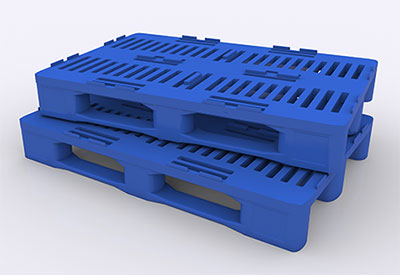
plastic palletsPlastic pallets are typically used for fresh food, freezer conditions and pharmaceutical and hygienic requirements. Plastic pallets offer a hygienic environment for products that require high levels of cleanliness, as they can be hot washed or chemically sterilized. While wood can be cleaned, it can’t meet the same hygienic standards as plastic as it is porous and can retain moisture and bacteria.

But while plastic pallets are often advertised as eco-friendly, when damaged they cannot be repaired in the same way that wood pallets can. As plastic pallets are made from oil, they must be melted down to be recycled. However, they have a longer shelf life than wood.

Another benefit of plastic pallets is that they can serve a dual purpose. Manufacturers can pack products into a plastic pallet and the retailer can then use it as a store display. Plastic pallets are also ideal for use on pallet wrapping machines with their increased durability.

The main benefit of plastic pallets is being able to re-use them – but it’s important to remember that plastic pallets cost three times the price of wood.

EPAL Euro pallet suppliers

Wood Pallets

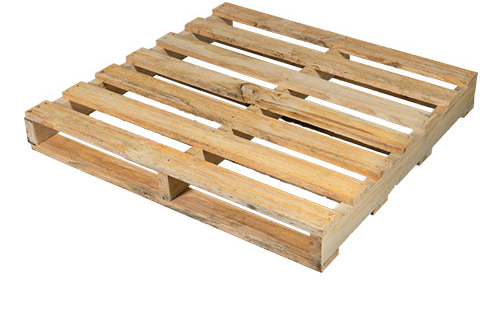
wood palletsWood pallets are less expensive than plastic pallets and widely used for a number of products. They also hold more weight than plastic, as they can hold between 1,500 and 3,000 pounds. For heavy items, wood pallets are your best choice.

They’re also recyclable. Unlike plastic, wood pallets are made of a sustainable resource (scrap wood) which would otherwise be wasted. Whereas plastic pallets are stiff and difficult to repair, wooden pallets are easily repaired and can be reused. Due to the lower cost, typically wooden pallets don’t have to be reused and are used to export good overseas.

However, wood pallets are not typically good for fragile items because of the fasteners on wood pallets. They pose a puncture hazard and could result in damaged goods, delayed arrivals, and unhappy customers.

EPAL Euro pallet suppliers

Wood pallets can also give off moisture and harbor bugs. Depending on the products being shipped, this may not be a problem. As previously mentioned, products that require a high level of hygiene are better suited to plastic pallets.

Wood pallets do not have the same fire safety rating as plastic. Plastic pallets burn at a much higher temperature than wood, and so building fire codes play a role in the purchasing decision for many manufacturers.