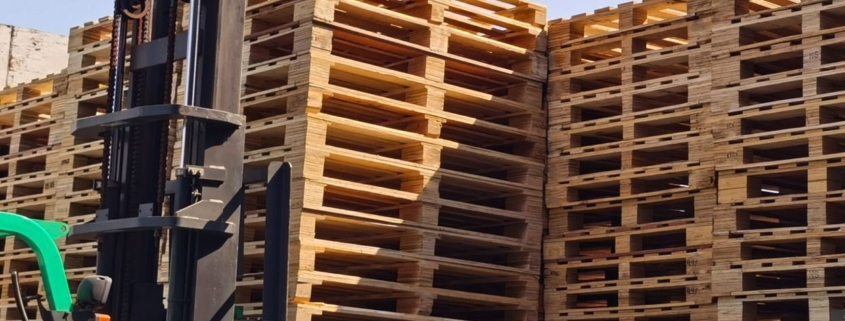

Finding the Right EPAL Euro Pallet Suppliers: A Strategic Guide for Buyers
In the complex world of global logistics, few decisions carry as much operational weight as choosing the right supplier for your pallets. For businesses that rely on the EPAL Euro pallet system, this choice becomes even more critical. After all, these standardised wooden platforms form the backbone of countless supply chains across Europe and beyond.
This comprehensive guide helps you navigate the landscape of EPAL euro pallet suppliers. We will explore what makes a supplier trustworthy, examine the different types of providers available, and outline a practical framework for making an informed selection. Throughout, we focus on actionable insights without naming specific companies, empowering you to find the ideal partner for your unique needs.
What Makes an EPAL Euro Pallet Supplier Different?
Before diving into the selection process, it helps to understand what sets EPAL euro pallet suppliers apart from ordinary pallet manufacturers. The European Pallet Association (EPAL) operates the world’s largest open pallet exchange pool, with more than 675 million EPAL Euro pallets currently in circulation. This system relies on strict quality standards to ensure that pallets remain interchangeable across borders and industries.
Consequently, not every pallet producer can call themselves an EPAL Euro Pallet supplier. Only licensed manufacturers and repairers—currently over 1,700 operations in more than 40 countries—have the right to produce or repair EPAL-certified pallets. These licensees undergo regular, unannounced inspections by independent bodies such as Bureau Veritas and the China Certification & Inspection Group (CCIC) to guarantee consistent quality.
Furthermore, EPAL actively protects its brand. The association has warned against so-called “Class 2” EPAL pallets appearing on the market at unusually low prices, clarifying that any new EPAL pallet labelled as “second class” is counterfeit. This vigilance underscores why sourcing from legitimate licensees matters so much.
Why Your Choice of Supplier Matters
Selecting the right EPAL euro pallet supplier affects your operations in several significant ways:
Supply Chain Reliability – A dependable supplier ensures you have pallets when you need them, preventing costly delays. Some manufacturers can deliver regular truckloads of 756–812 pallets per truck, making volume consistency a key consideration.
Quality and Safety – Substandard pallets can collapse under load, damage goods, or injure workers. Licensed EPAL producers follow strict technical regulations covering everything from nail placement to wood quality.
Legal Compliance – For international shipments, pallets must carry the ISPM 15 heat treatment mark. Licensed EPAL suppliers automatically meet this requirement.
Cost Efficiency – While counterfeit pallets may seem cheaper upfront, they lack the durability and interchangeability of genuine EPAL products. A genuine EPAL pallet offers a service life of 8–10 years, whereas a counterfeit may fail much sooner.
Reputation – Using counterfeit or substandard pallets can damage your relationships with logistics partners and customers who expect EPAL-standard quality.
Types of EPAL Euro Pallet Suppliers
When searching for suppliers, you will encounter several distinct categories. Each serves different business needs:
Licensed Manufacturers
These companies hold a direct licence from EPAL to produce new Euro pallets. They follow the association’s technical regulations to the letter and undergo regular quality inspections. Licensed manufacturers are your safest bet for new pallets, particularly for international transport and industries with strict hygiene standards like food and pharmaceuticals.
Licensed Repairers
EPAL also licenses operations to repair damaged pallets. Professional repair restores pallets to 90–100% of their original strength while costing significantly less than new ones. Licensed repairers use approved materials and follow specific repair protocols, ensuring the pallet remains eligible for exchange within the EPAL pool.
Reconditioned Pallet Suppliers
Some suppliers specialise in sourcing used or repaired EPAL pallets and reselling them. These providers offer cost-effective alternatives for internal storage and national logistics where the strictest standards may not apply. However, buyers must verify that the reconditioning work meets EPAL standards.
Full-Cycle Producers
The most comprehensive suppliers manage the entire process—from raw material sourcing through heat treatment, production, quality control, and logistics. Full-cycle producers often offer greater traceability and consistency, making them ideal partners for large-volume buyers.
Traders and Distributors
These companies do not manufacture pallets themselves but buy from multiple producers and resell to end-users. They can offer flexibility and access to various sources, though buyers should verify the origin and certification of every pallet they supply.
Key Criteria for Evaluating EPAL Euro Pallet Suppliers
When assessing potential partners, consider these essential factors:
1. EPAL Licence Verification
This is non-negotiable. Always confirm that a supplier holds a current EPAL production or repair licence. The EPAL website maintains a list of licensees, and the association strongly recommends buying EPAL Euro pallets exclusively from licensed vendors. A licence proves the supplier follows the EPAL Technical Regulations and submits to regular inspections.
2. Additional Certifications
Beyond the EPAL licence, look for supplementary quality marks:
-
ISPM 15 – mandatory for international shipping, confirming heat treatment
-
ISO 9001 – demonstrates commitment to quality management systems
-
IPPC – further verification of phytosanitary compliance
3. Experience and Track Record
Prioritise suppliers with several years of operation and proven experience. Companies that have been running for years typically have established quality control processes and reliable delivery systems. Ask for references from other businesses in your industry to gain insight into their reliability and professionalism.
4. Production Capacity
Ensure the supplier can meet your volume requirements consistently. Ask about their production capacity, lead times, and whether they can handle regular truckload deliveries. If you need 1–4 trucks per week, verify that the supplier can maintain that pace.
5. Quality Control Processes
A reputable supplier maintains rigorous quality checks, including visual inspection, weight testing, and dimensional verification. This reduces the risk of pallet rejection at your facility or in the destination country.
6. Logistics and Delivery Options
Consider the supplier’s delivery capabilities. Can they deliver under your preferred Incoterms—such as DAP, DDP, FCA, or EXW? Do they have established logistics routes to your region? Reliable delivery is as important as product quality.
7. Flexibility and Customisation
Some suppliers offer custom-sized pallets or specialised designs for specific industries. If your operation requires non-standard solutions, look for a supplier with custom manufacturing capabilities.
The Danger of Counterfeit and “Second Class” Pallets
One of the most critical aspects of sourcing EPAL euro pallets is avoiding counterfeit products. EPAL has recently raised alarms about so-called “Class 2” EPAL pallets appearing on the market. These pallets exhibit significant quality faults such as incorrect nail placements and defective wood, directly violating EPAL production standards.
Moreover, the unusually low prices of these pallets raise suspicions about the use of illegally sourced timber. EPAL has alerted customs offices and licensees about these counterfeit pallets, advising that such pallets must be destroyed.
For buyers, the message is clear: if a new EPAL pallet is labelled as “second class” or “Class 2”, it is counterfeit. Only pallets in full compliance with EPAL Technical Regulations can bear the “EPAL in oval” brand mark. When in doubt, EPAL’s inspection company, Bureau Veritas, can conduct an assessment.
Market Trends Affecting EPAL Pallet Supply
Understanding current market dynamics helps buyers time their purchases and negotiate effectively:
Growing Demand and Production
Consumption volumes grew by +6.20% in 2025 compared to 2024, while EPAL pallet production increased by +3.5%. This upward trend reflects the resilience of the logistics sector and the continued dominance of the EPAL system.
Digitalisation with QR Codes
Since January 2024, EPAL has introduced Euro pallets with individual QR codes and serial numbers. By late 2025, 4 million QR-coded pallets had entered circulation. These digital pallets allow users to access information on location, utilisation, and life cycle simply by scanning the code. This innovation is set to become an integral part of modern, digitally networked supply chains.
Focus on Sustainability
The EPAL system, with its principles of reuse, exchange, repair, and recycling, has been an exemplar of sustainable circular economy for over three decades. Wooden EPAL pallets store CO₂, prevent waste, and improve the carbon footprint of users across industry and retail. As regulatory pressure on packaging increases, EPAL’s sustainability credentials become even more valuable.
Price Volatility
Pallet prices remain subject to fluctuations driven by raw material costs, energy prices, and demand cycles. Buyers should monitor market conditions and consider long-term agreements with suppliers to secure stable pricing.
A Step-by-Step Guide to Sourcing EPAL Euro Pallet Suppliers
Step 1: Define Your Requirements
Start by specifying your needs clearly:
-
Pallet type – EPAL 1 (800×1200mm), EPAL 2 (1200×1000mm), EPAL 3 (1000×1200mm), or EPAL 6 (800×600mm)
-
Condition – new, reconditioned, or used
-
Volume – quantity per order and frequency
-
Delivery terms – preferred Incoterms and delivery schedule
-
Certifications – any additional requirements beyond EPAL and ISPM 15
Step 2: Identify Potential Suppliers
Use industry directories, B2B platforms, and trade associations to compile a list of candidates. Focus on licensed EPAL producers and repairers. The EPAL website provides information on licensees worldwide.
Step 3: Verify Licences and Certifications
For each candidate, confirm their EPAL licence status. Request copies of relevant certificates, including ISPM 15, ISO 9001, and any others that matter to your operation.
Step 4: Request Quotations
Send a detailed request for quotation to multiple suppliers. Include all specifications to ensure comparable responses. Ask about minimum order quantities, lead times, and payment terms.
Step 5: Request Samples
Always request a sample pallet before committing to a bulk order. Inspect it for proper markings, dimensions, and build quality. For large purchases, consider having samples independently tested.
Step 6: Assess Production Capacity and Logistics
Discuss the supplier’s production capacity and delivery capabilities. Can they meet your volume requirements consistently? Do they have experience shipping to your location?
Step 7: Check References
Ask for contact details of current clients and speak to them about their experience. Inquire about quality consistency, delivery reliability, and responsiveness to issues.
Step 8: Negotiate Terms
Once you have identified a preferred supplier, negotiate commercial terms including pricing, payment schedules, delivery timelines, and quality guarantees. Consider agreeing on pricing mechanisms that reference reliable indices to create fair and transparent contracts.
Step 9: Start with a Trial Order
Begin with a smaller order to verify quality and service before committing to a long-term agreement. This approach minimises risk and allows you to assess the partnership in practice.
Common Mistakes to Avoid
Assuming All EPAL-Looking Pallets Are Genuine – Counterfeit pallets often mimic the appearance of genuine ones but lack proper markings and quality. Always verify the EPAL logo, manufacturer code, and other official stamps.
Prioritising Price Over Quality – While cost matters, the cheapest option often proves more expensive in the long run through pallet failures, goods damage, and exchange rejections.
Neglecting Delivery Logistics – A great product is useless if it cannot reach you on time. Evaluate the supplier’s logistics capabilities as carefully as their manufacturing quality.
Overlooking the Importance of Licensing – Buying from unlicensed suppliers exposes you to legal and operational risks. EPAL strongly urges purchasing exclusively from licensees.
Failing to Inspect Incoming Shipments – Always inspect pallets upon receipt. Reject any that show quality faults, missing markings, or signs of damage.
Conclusion
Finding the right EPAL euro pallet supplier is a strategic decision that affects your supply chain’s efficiency, safety, and cost structure. By prioritising licensed manufacturers and repairers, verifying certifications, and following a structured evaluation process, you can build a partnership that delivers reliable, high-quality pallets for years to come.
Remember that the EPAL system exists to guarantee interchangeability and quality across borders. When you source from licensed suppliers, you are not just buying pallets—you are investing in the integrity of your entire logistics operation. Take the time to choose wisely, and your supply chain will reap the rewards.